
Service highlights
- Service number: 126656
- Rank: Private
- Born: 28 October 1894, Finchling Field
- Prior service: former regular soldier, 2nd Battalion Suffolk Regiment (18 July 1912 to 28 July 1914)
- Immigrated to Canada: shortly after discharge, worked as a farm worker in the local area
- Enlisted: 23 September 1915 in St. Marys, 71st Canadian Infantry Battalion
- Sailed overseas: 19 November 1915 from Montreal on SS Metagama
- Training in England: posted to 36th Battalion at Shorncliffe
- Later postings: 86th Canadian Machine Gun Battalion (later Canadian Machine Gun Depot), then posted to 25th Canadian Infantry Battalion
- Reverted in rank: returned to private on 10 August 1916 at his own request, to go overseas to France
- Died of wounds: 16 September 1916 after the battle for Courcelette
- Burial: Contay British Cemetery
- Commemorated: bronze plaque on the south wall of St. Marys Town Hall
A Life and Service Remembered
Arthur Stanley Martin was born at Finchling Field, England on 28 October 1894. Before he ever set foot in Canada, he had already lived a soldier’s life. He served as a regular with the 2nd Battalion Suffolk Regiment from July 1912 until late July 1914. When that ended, he immigrated to Canada almost immediately, and took up work as a farm labourer in the local area, trading uniform life for field work and a fresh start.
War followed him across the ocean. On 23 September 1915 he enlisted in St. Marys with the 71st Canadian Infantry Battalion. On 19 November 1915 he sailed with a draft of 250 men from Montreal to England aboard the SS Metagama. After arrival he was posted to the 36th Battalion at Shorncliffe to complete infantry training.
His path through the army shifted quickly. He was promoted to lance corporal and on 23 June 1916 was posted to the 86th Canadian Machine Gun Battalion, soon redesignated as the Canadian Machine Gun Depot. But Arthur wanted the front. On 10 August 1916 he reverted to private at his own request so that he could go overseas to France. Two weeks later, on 28 August, he reported to the 25th Battalion, a Nova Scotia unit, moving further south in France toward a training area near the Somme in preparation for operations.
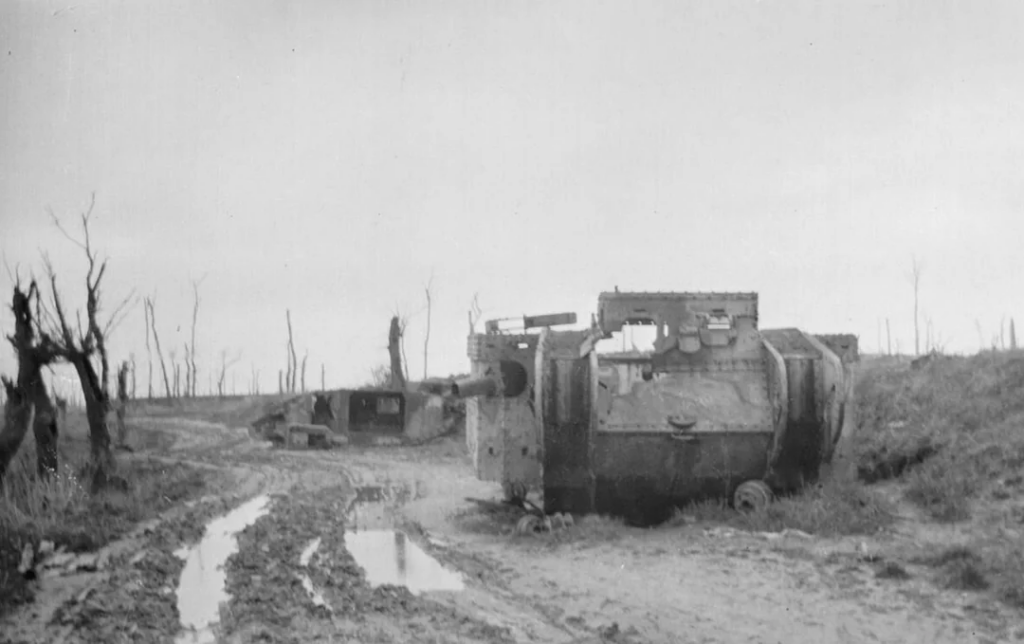
On 15 September 1916, the 25th Battalion, Arthur with the rest of the 2nd Division, attacked and captured the village of Courcelette. Their task was to jump off from Sugar Trench and push roughly 1,000 yards along the west edge of the village as far as Graben Trench. The battalion diarist later wrote that the 25th moved forward as though on inspection, behaving like veterans, going through very heavy artillery barrages without a quiver. That praise sits beside the cost. The battalion lost 222 men in only a few hours.
Arthur was one of those hit. He suffered multiple gunshot wounds to his back, leg, and thigh, and it was believed he had been caught in the open by German machine gun fire. He was carried back through the Regimental Aid Post and the 5th Field Ambulance. Treated at 49 Casualty Clearing Station on 16 September, he died later the same day.
He was buried at Contay British Cemetery in France. Arthur was survived by his parents, Edward and Emily Martin of Sible Hedingham, Essex. In St. Marys, his name is commemorated on the bronze plaque on the south wall of the Town Hall, listing names discovered during the results of Richard Holts 1995 research project, a quiet but lasting marker that he belonged to the community he chose.
Major battles and operations
- Training and reinforcement stream in England, including Shorncliffe
- Somme operations with the 25th Canadian Infantry Battalion, September 1916
- Battle of Courcelette (15 September 1916)
- Wounded in the Courcelette fighting, died 16 September 1916
Learn More
- https://canadiangreatwarproject.com/person.php?pid=5787
- https://somme-roll-of-honour.com/Units/canadian/25th_Canadian_Infantry_CEF.htm
- The Fallen by Richard Holt, 126656 Private A.S. Martin pg 40.