
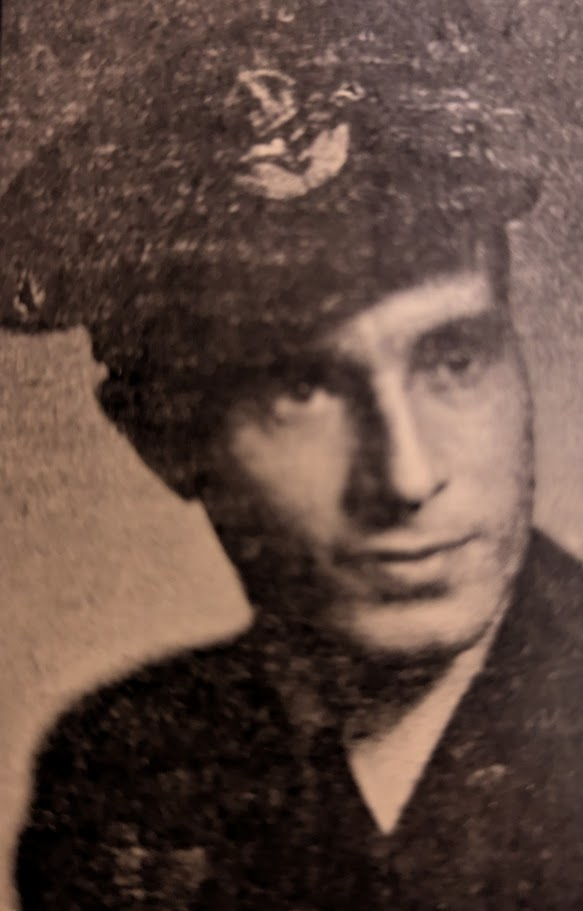
Service highlights
- Service number: J22910
- Rank: Flying Officer
- Born: 19 September 1918 in St. Marys
- Education: Graduate of St. Marys Collegiate Institute
- Work: The Royal Bank of Canada (Age 16) youngest Junior Inspector appointed by the bank, served in St. Marys and later Toronto
- Early military training: Called up 22 November 1940 for 30 days training with the 48th Highlanders of Canada under the National Resources Mobilization Act
- Enlisted: 9 March 1942 in the Royal Canadian Air Force at Malton
- Training: 1 Initial Training School in Toronto, then 1 Air Observer School in Trenton, qualified as a navigator
- Promotions: Sergeant 22 January 1943, Pilot Officer 1 February 1943, Flying Officer 22 July 1943
- Overseas: Posted to England 8 March 1943
- Squadron: No. 431 Squadron RCAF at RAF Croft, serving with No. 6 Group RCAF in RAF Bomber Command
- Missing: Failed to return from an operation to Hamburg on 29 July 1944
- Commemorated: Runnymede Memorial
- Family: Survived by his mother Olive Fern (Day) McDonald of Wellington Street South, and two sisters, Mary and Dorothy. Predeceased by his father William McDonald, who died in 1929
- Local remembrance: Named on his parents’ gravestone in North Nissouri Cemetery and commemorated on the World War II plaque at St. Marys Town Hall
A Life and Service Remembered
William Earl McDonald was born in St. Marys on 19 September 1918 and grew up with the kind of steady ambition that showed early. He graduated from the Collegiate Institute and went straight into working life. At just 16, he joined the Royal Bank of Canada and quickly proved himself. He did so well that he became the youngest Junior Inspector the bank ever appointed, a remarkable achievement for someone still so young. He served first in St. Marys and later in Toronto, carrying a hometown work ethic into a larger world.
In late 1940 he was called up for a short period of training, and by 1942 he chose to enlist in the Royal Canadian Air Force. He trained in Toronto and Trenton and qualified as a navigator, a role that demanded calm judgment and absolute precision. His promotions came steadily, a sign that he was dependable and capable under pressure.
Posted overseas in March 1943, he completed further training in England and joined a crew for operational flying. In July he was posted to 431 Squadron at RAF Croft. He served with the squadron for almost a year, longer than the average tour. That span of time hints at both skill and endurance, mission after mission, night after night, trusting the people around him and being trusted in return.
On 29 July 1944, his crew was dispatched to Hamburg aboard a Handley Page Halifax bomber. One of the truly famous aircraft of World War II. The conditions did not unfold as hoped, and many bombers were shot down by German night fighters. His crew was one of those that did not return. In the aftermath, nothing definite was ever learned about their fate, except that the body of one crewman from the raid was later washed ashore in Denmark. For his family, that kind of uncertainty is its own lasting weight, the absence of answers alongside the loss itself.
He is commemorated on the Runnymede Memorial in England. In St. Marys, his name remains part of our community record, on the Town Hall plaque and on his parents’ gravestone, a reminder that the air war touched even small towns far from the flight paths.
Major battles and operations
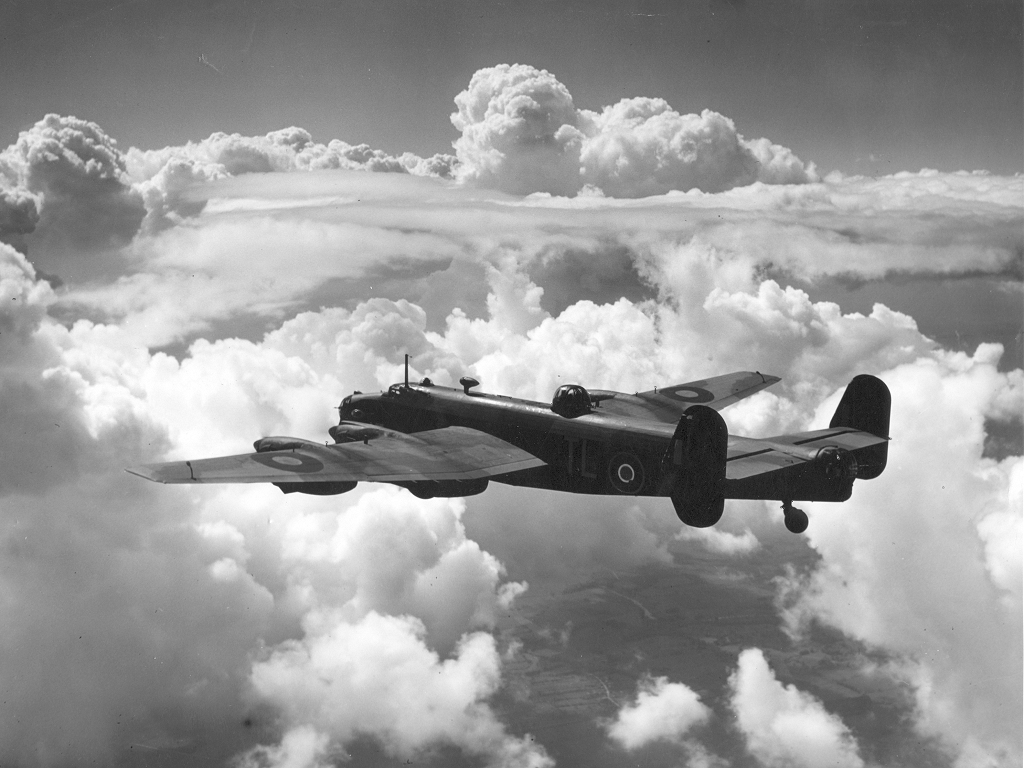
- Bomber Command operations (1943 to 1944): Served with 431 Squadron as part of 6 Group, including the broad air campaign often described as the Battles of Fortress Europe, Biscay Ports, Ruhr, Berlin, and German Ports
- Raid on Hamburg (29 July 1944): Dispatched to Hamburg, heavy losses in the absence of expected cloud cover, crew did not return and was reported missing
Learn More
- Aircrew Remembered, Runnymede Database entry search
https://aircrewremembered.com/RunnymedeDatabase/?s=5300&q=Bomber%20AND%20Command&qand=&exc1=&exc2=&search_type=&search_only= - FamilySearch profile
https://ancestors.familysearch.org/en/L7LB-5KP/william-earl-mcdonald-ww2-1918-1944 - The Fallen, by Richard Holt, J22910 Flying Officer W.E. McDonald, Pg 115